What I saw at London Book Fair, and why it matters more than most authors realise
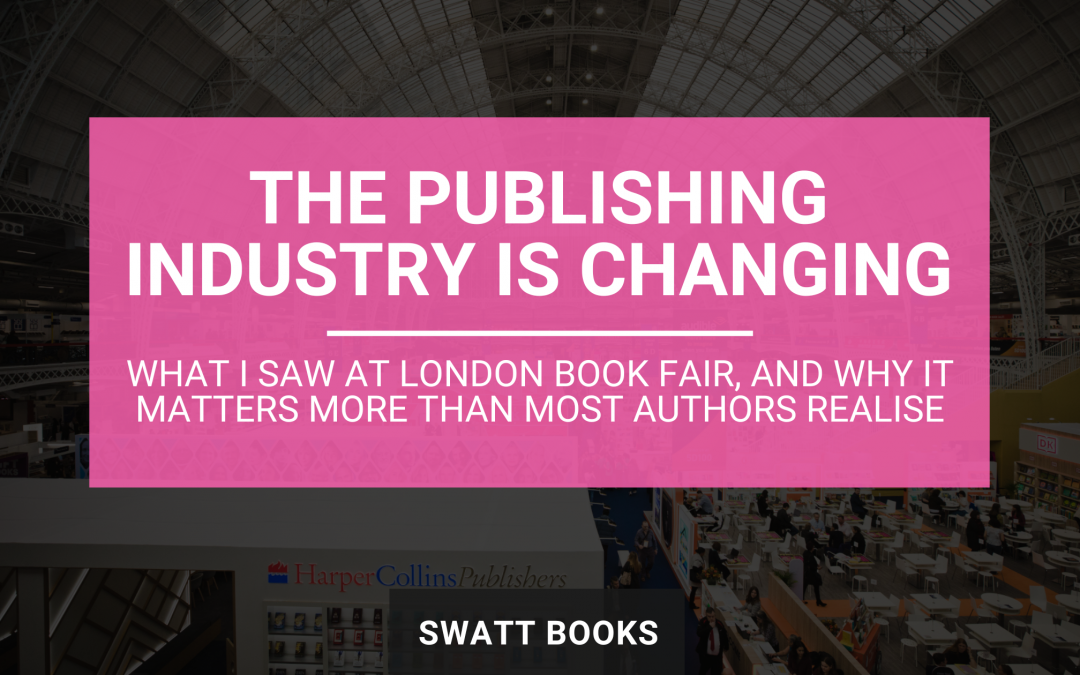
Last month, I went to London Book Fair, one of the largest publishing industry events in the world, expecting to see a continuation of the industry’s initial response to the emergence of AI – a stark divide between those embracing the possibilities of AI and those deeply opposed to it. And while the divide is still very much present, the way that divide showed up across the Fair; in the services being presented and the conversations taking place; has evolved significantly in the past few years.
Uncertainty and a great deal of fear dominated the first Book Fair after OpenAI’s public release of ChatGPT about what this new technology was going to mean for the industry. The following two London Book Fairs saw the divide between AI-adopters and traditionalists becoming very self-evident. AI-powered services and products were being showcased with excitement and enthusiasm, while the rest of the industry was still concerned about policy, protection, and governance.
This year, I felt a tangible shift from AI as a gimmick to a deeper understanding of just how much AI is changing our world and how authors and publishers need to fundamentally change the way we publish and market books in order to adapt.
The Big Themes Emerging
Browsing through the exhibitors, talking to authors and industry colleagues, and listening to some of the expert panel seminars, I felt four key themes emerging from the conversation that are going to have a deep impact on business authors looking to publishing books to support their wider business and profile as experts in their fields.
- The importance of Direct-to-Reader as part of a robust and well-rounded distribution strategy
- Adapting Metadata and SEO to the emergence of AI search (GEO)
- Widening divide between AI panic versus AI reality
- The resulting divide between publishers and authors who are scrambling to keep up versus those who are thriving through adaptation
I feel that these emerging themes are hinting towards a fundamental shift in the way in which we publish and market books. We, as authors and publishers, need to move from simply selling books to building commercial ecosystems around them. From distribution to discoverability. From publishing a book to positioning ourselves as experts using that book as a platform.
Why This Matters for Business Authors
I believe that this underlying shift in publishing focus is going to have the greatest impact on business authors who are looking to publish a book to establish their credibility, authority, and ultimately grow their business using a book as the vehicle for that growth. For you, the impact of direct-to-reader distribution, GEO-optimised discoverability, and positioning over publication are going to amplify what books can already do for you. They are going to further increase your authority and lead generation potential through expanded distribution and discoverability and help you create a platform from which to grow and expand your business in a way that adds incredible long-term IP value.
The problem is that most authors are unaware of these changes because publishing is not their primary focus – they are running the businesses that light them up and fuel their ambition to change the world through their unique area of expertise. Therefore, they continue to focus on the traditional method of publishing books:
- They focus on writing, publishing, and launching a book as a standalone project, instead of harnessing the long-term benefits that can come from leveraging a book for its entire lifecycle
- They believe that for a book to be successful that it needs to sell in high volumes from traditional retailers like Amazon, instead of realising the vast potential for growth beyond book sales that distributing direct-to-reader allows
- They ignore discoverability as a sales strategy, unaware of how much impact optimisation can have in this new world of AI-powered search
The Questions This Raises
In many of the conversations I’ve had with authors since the London Book Fair, several questions keep coming up.
The publishing world has definitely changed, but those changes haven’t all happened overnight. It’s taken a few years for the industry to come to grips with the public availability of AI. I can see where things are heading, and as those changes keep happening, the gap between authors who can keep up and embrace the change versus those who choose not to will increase.
While writing a great book is still very important to your success as an author, it’s no longer enough on its own. A successful book needs great discoverability and distribution strategies behind it to reach its full potential and impact.
I would argue that it is more relevant if you are not writing full-time. For business owners, the book is seldom the end goal; rather; it serves as a strategic tool that supports wider growth in both your business and your profile as an expert.
The best place to start isn’t picking the best platforms, getting all the formatting perfect, or even diving into the writing. Instead, it’s important to get a good understanding of how your book fits into your business, solves a problem for your audience, and the specific role it is intended to play in your positioning as an industry leader.
What Does This Actually Mean in Practice?
The reality is that these underlying shifts in publishing are already taking shape, and it’s important not only to be aware of these shifts but to understand how they affect you and what you can do to leverage the possibilities these shifts present. Which is why over the coming weeks, I will explore each of these topics in more detail through a five-part “Future of Publishing” series, with this article being the first instalment.
Coming up in the series:
- Direct-to-Reader: we’re going to look at your book as a business asset, and explore how embracing a wider distribution model that encompasses direct-to-reader ecommerce is going to vastly increase your reach and your leverage
- Discovery 2.0: we’re going to explore how AI has impacted the way we search for things and how that needs to be reflected in your publishing and marketing approach through GEO optimisation
- AI & Author Rights: I’m going to challenge you to look past fear-based thinking about AI in authorship and publishing, and help you uncover the real opportunities AI is bringing to the table
- The Future of SWATT Books: I’m going to share with you how SWATT Books is adapting to and embracing the future of publishing and leveraging it to best serve my authors in making the most of the incredible asset that is a business-building book.
What Next?
If you’re serious about using your book as a strategic asset—not just something you publish and hope for the best—this is the point to pause and get clear on your approach.
I offer a 90-minute publishing strategy call where we map out exactly how your book fits into your business, your audience, and your long-term goals.
No fluff. No generic advice. Just a clear, tailored plan you can execute with confidence.